What is an Oxygenofacial?
An oxygenofacial is a popular skin treatment in dermatology. It uses a stream of oxygen to deliver special serums to your skin. Many people choose this treatment to refresh their face and get a healthy glow. Because it is gentle, an oxygenofacial is safe for most skin types. In fact, dermatologists often recommend it for people who want a quick boost without harsh chemicals or long recovery times.
How Does an Oxygenofacial Work?
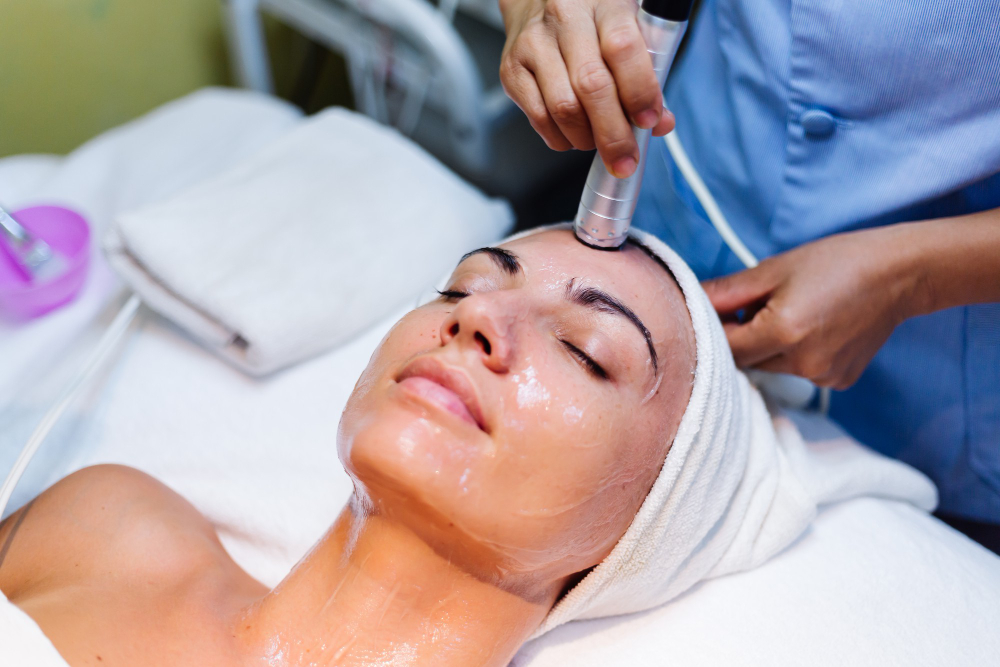
During an oxygenofacial, a trained provider uses a small device to spray oxygen and serums onto your skin. First, your face is cleaned to remove dirt and oil. Next, the device delivers a cool, gentle mist of oxygen mixed with vitamins and other helpful ingredients. As a result, your skin can absorb these nutrients more easily. The whole process usually takes about 30 to 60 minutes. Most people find it relaxing and pain-free.
Benefits of Oxygenofacial Treatments
Oxygenofacial treatments offer several benefits for your skin. For example, they can:
Because the treatment is gentle, there is little to no downtime. In addition, you can return to your normal activities right after your session.
Who Can Benefit from an Oxygenofacial?
Many people can benefit from an oxygenofacial. For instance, it is a good choice if you:
However, people with certain skin conditions, such as active infections or severe acne, should talk to a dermatologist first. This helps ensure the treatment is safe for you.
Safety, Side Effects, and Risks
Oxygenofacial treatments are generally safe when performed by trained professionals. According to dermatology experts and peer-reviewed studies, side effects are rare. Still, some people may notice mild redness or slight swelling right after the procedure. Usually, these effects go away within a few hours. If you have allergies or sensitive skin, let your provider know before your session. This way, they can choose the right serums for you. Serious risks are very uncommon, but always choose a licensed clinic for your treatment. (Source: American Academy of Dermatology)
Aftercare and Lifestyle Tips
After your oxygenofacial, you can follow a few simple tips to keep your skin looking its best:
Because your skin may be more sensitive, these steps help prevent irritation and keep your results lasting longer.
Frequently Asked Questions About Oxygenofacial
Conclusion
In summary, an oxygenofacial is a gentle and effective way to refresh your skin. Because it is safe for most people, many choose it for a quick boost. However, always consult Dr. Bhavana for advice that fits your unique needs. Your skin deserves expert care.