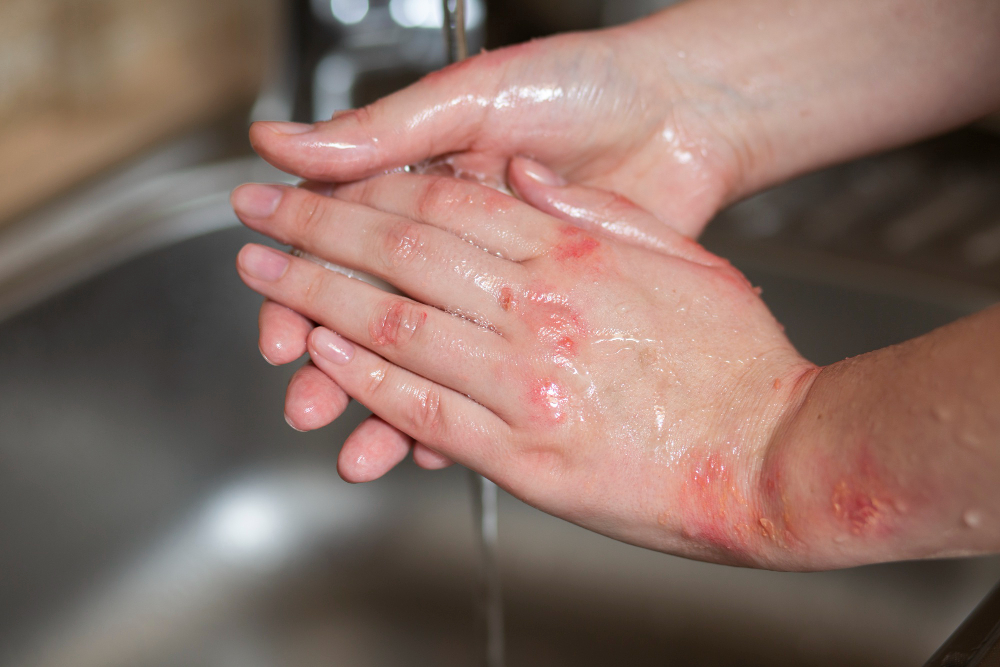
What is Eczema?
Eczema is a common skin condition that causes dry, itchy, and inflamed skin. Many people, both children and adults, experience eczema at some point. In fact, the Centers for Disease Control and Prevention (CDC) reports that eczema affects millions worldwide. Although eczema is not contagious, it can be uncomfortable. For some, it may even affect daily life. Because eczema can look different on each person, it is important to understand its signs and how to manage it.
Common Symptoms of Eczema
People with eczema may notice a range of symptoms. These can change over time or with age. However, some signs are more common than others. For example, you might see:
Sometimes, eczema symptoms in adults look different from those in children. But in both cases, itching is a key sign. If you notice these symptoms, it is wise to talk to a healthcare provider.
Causes and Risk Factors
Although the exact cause of eczema is not fully known, experts believe it results from a mix of genes and environment. For instance, if someone in your family has eczema, asthma, or allergies, you may be more likely to get it. Other risk factors include:
Because triggers can vary, keeping track of what affects your skin can help prevent eczema flare-ups.
How Eczema is Diagnosed
Doctors usually diagnose eczema by looking at your skin and asking about your symptoms. Sometimes, they may ask about your family history or any allergies. In rare cases, a doctor may do a skin test to rule out other conditions. However, there is no single test for eczema. If you live in a city with many dermatology clinics, you can find eczema care in your area easily. Early diagnosis helps you manage symptoms better.
Treatment Options for Eczema
There are several eczema treatment options available. While there is no cure, many treatments can help control symptoms. Your doctor may suggest:
Because each person is different, your treatment plan may change over time. Always follow your doctor’s advice for the best results.
Lifestyle Tips and Prevention
Managing eczema often means making small changes in your daily routine. For example, you can:
Because triggers are different for everyone, it helps to notice what causes your flare-ups. Over time, these steps can help prevent eczema from getting worse.
When to See a Dermatologist
Sometimes, eczema can be hard to manage at home. If your symptoms do not improve with over-the-counter treatments, it is time to see a dermatologist. Also, if you notice signs of infection, such as pus, pain, or fever, seek help right away. A dermatologist can offer advanced eczema care and suggest new treatment options. Early care can prevent complications and help you feel better sooner.
If you or your child has eczema, do not wait. Consult a dermatologist at Dr. Bhavana’s Clinic for personalized eczema care and advice.