Introduction
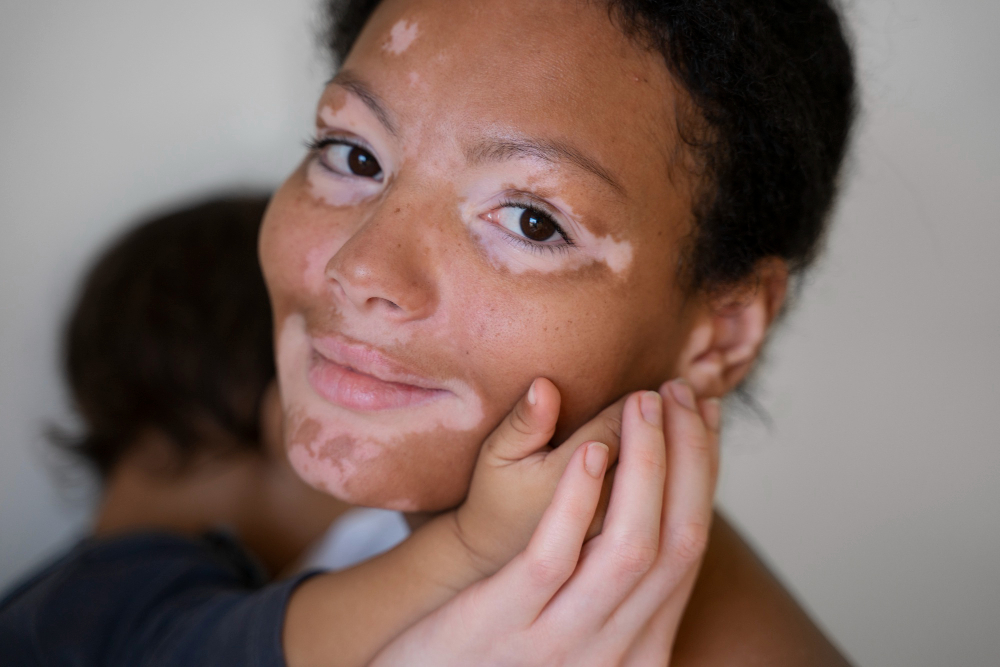
Vitiligo is a skin condition that causes patches of skin to lose color. Many people wonder about vitiligo symptoms, causes, and treatment options. Although it is not dangerous, it can affect how you feel about your appearance. In this blog, you will learn what vitiligo is, how it develops, and how to manage vitiligo with the right care. Understanding skin depigmentation causes can help you make informed choices.
What is Vitiligo?
Vitiligo is a long-term skin disorder. It happens when the cells that make skin color, called melanocytes, stop working or die. As a result, white patches appear on different parts of the body. Sometimes, hair and even the inside of the mouth can lose color too. While vitiligo can start at any age, it often begins before age 30. The condition is not contagious, so you cannot catch it from someone else.
Causes of Vitiligo
Doctors are still learning about the exact causes of vitiligo. However, several factors may play a role. For example, the immune system may attack the pigment cells by mistake. This is called an autoimmune response. In addition, genetics can increase your risk if someone in your family has vitiligo. Sometimes, a trigger like sunburn, stress, or skin injury can start the process. Here are some common causes:
Common Symptoms
Vitiligo symptoms are easy to spot. The main sign is white or lighter patches on the skin. These patches can appear anywhere, but often start on the hands, face, or around body openings. Over time, the patches may grow or spread. Other symptoms include:
Even though vitiligo does not cause pain or itching, it can affect self-esteem. For this reason, many people seek ways to manage vitiligo.
How Vitiligo is Diagnosed
Doctors use several steps to diagnose vitiligo. First, they will ask about your medical history and family background. Next, they will examine your skin closely. Sometimes, a special lamp called a Wood’s lamp helps show the patches more clearly. In some cases, doctors may take a small skin sample (biopsy) to rule out other conditions. Blood tests can also check for other autoimmune diseases. Early diagnosis helps you explore vitiligo treatment options sooner.
Treatment Options
Although there is no cure for vitiligo, many treatments can help restore skin color or slow its spread. Your doctor will suggest the best option based on your age, health, and how much skin is affected. Common vitiligo treatment options include:
Because results vary, it is important to discuss all options with your dermatologist. Sometimes, combining treatments works best.
Lifestyle and Self-Care Tips
Living with vitiligo can be challenging, but self-care makes a difference. Here are some tips to help you manage vitiligo:
With the right steps, you can feel more confident and comfortable in your skin.
Prevention and Myths
Currently, there is no proven way to prevent vitiligo. However, knowing the facts can help you avoid common myths. For example, vitiligo is not caused by eating certain foods or by poor hygiene. It is not contagious, so you cannot spread it to others. Some people believe vitiligo only affects people with dark skin, but it can affect anyone. Understanding these facts helps reduce stigma and supports those living with the condition.
Conclusion
In summary, vitiligo is a skin condition that causes loss of color in patches. While it can be challenging, many vitiligo treatment options and self-care tips are available. If you notice changes in your skin, consult Dr. Bhavana for personalized advice on managing vitiligo. Early support and care can make a big difference.